
How to Turn Your HVAC Website into a Lead-Generating HVAC Landing Page
You can run well-targeted Google Ads and Local Services Ads and still lose potential jobs even after homeowners click. The problem is often on the landing page, not in the ad itself.
A strong HVAC landing page should quickly show homeowners you can solve their heating or cooling problem and make it easy to contact you. Instead of focusing only on an industry conversion rate, ask: is this page producing calls and service requests?
A conversion is simply the action you want someone to take, such as calling your office or filling out a form to schedule an appointment. When we talk about converting well, we mean that a good share of visitors turn into calls and bookings rather than clicking around and leaving.
Searches like “AC repair near me” or “furnace replacement” signal someone is ready to seek help. Your ad earns the click, but the landing page turns that click into a call, lead, or booked job.
Why Paid Traffic Needs a Landing Page, Not Your Homepage
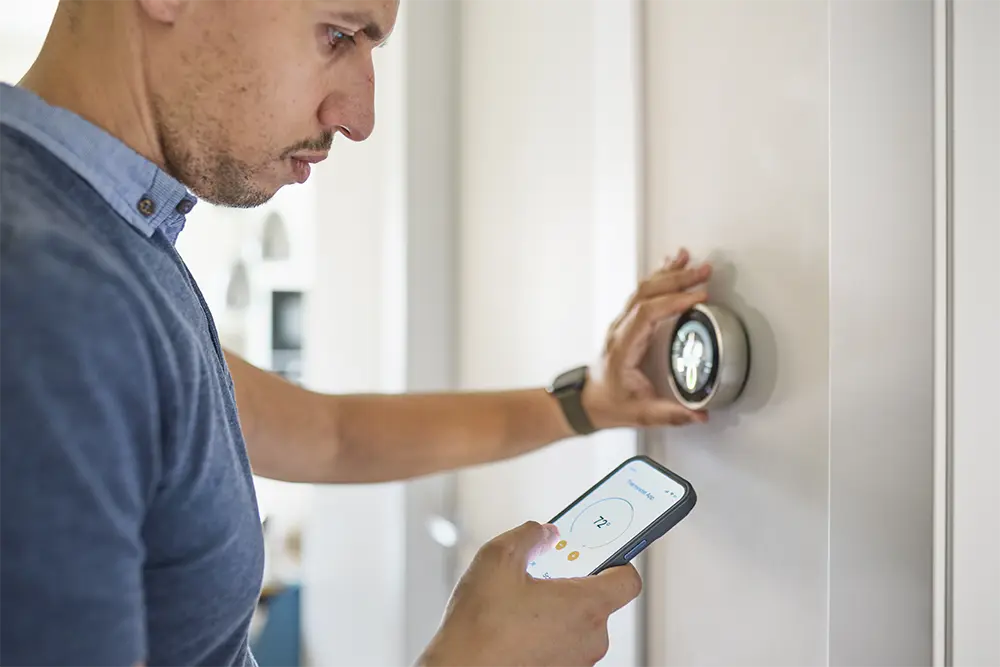
Your homepage serves many audiences at once: existing customers, job applicants, vendors, and homeowners exploring a range of services. A landing page has one clear job: match a visitor’s need with one service or offer, then guide them to take action, such as calling your office or requesting an appointment.
If someone searches for emergency AC repair and clicks an ad for same-day service, don’t send them to your homepage. Send them to a page that quickly shows you handle AC repairs, serve their area, offer fast or same-day service, and let them call or schedule service right away.
The closer your landing page matches your ad, the more likely homeowners are to contact you. Google also recommends relevant landing-page content, mobile-friendly links, fast load times, and testing your page against a clear goal.
The Message-Match Rule
The promise in the ad and the promise at the top of the landing page should closely match.
For example, if your paid-ad message is 24/7 AC Repair, a strong landing page headline would be “24/7 Emergency AC Repair. Get Your Cool Air Back Today” rather than something vague like “Comfort Solutions for Your Home.” A strong landing page reassures visitors right away that they’ve found the help they need. That can keep paid-ad visitors from leaving and returning to the search results.
The Five Elements of A Strong HVAC Landing Page
Lead with the homeowner’s immediate problem
Homeowners care about getting comfortable again, not technical specs. For AC repair, try “No Cold Air? Get Fast AC Repair from Local, Licensed Technicians.”
For furnace replacement, try “Replace Your Failing Furnace Before It Leaves Your Family in the Cold.” Lead with the outcome, and save technical details, efficiency ratings, model numbers, and warranty terms for later on the page.Give visitors one clear next step
Choose the main action you want from the page: call now, schedule online, request a quote, or check financing. Make that button, called a CTA (short for “call to action”), easy to find and repeat it throughout the page. Asking people to call, join a maintenance plan, download a guide, and shop equipment on the same page can create confusion.Build trust right away
HVAC work involves letting someone into a customer’s home, so trust matters. Place proof near the headline and CTA: Google review rating, certified technicians, licensing and insurance, upfront price guarantees, or 24/7 availability. Use specific proof instead of vague testimonials like “Great company.”Make it easy to use on a phone
Many urgent HVAC searches happen on a phone. Google recommends mobile-friendly pages with readable text, tappable links, and fast load times. It also reports that even a one-second delay can significantly reduce conversions.Explain what happens next.
Tell homeowners what to expect after they call or submit a form. For example: “Submit the form, and our local dispatcher will call you within 10 minutes,” or “Call now to speak with a live team member during business hours.” Promise only a response time your team can consistently meet.
HVAC Landing Page Audit Checklist Download
HVAC Landing Page Design for Lead Generation
Good HVAC landing page design is less about looking trendy and more about making the important information easy to find. Visitors should quickly see what service you offer, why they can trust you, when you’re available, and how to contact you or schedule service.
Recommended HVAC Landing-Page Layout
Header. Logo, service area, phone number, and one high-priority CTA. Reduce full-site navigation on paid pages because every link is an exit path.
Hero section above the fold. This is the top portion of the page, visible before scrolling. Include a service-specific headline, concise supporting copy, your primary CTA, and a relevant visual, such as a uniformed local technician.
Immediate proof block. Same-day appointments, no-surprise pricing, certified technicians, years of service in the area.
Problem-and-solution section. Show visitors you understand their symptoms, then explain how your service solves them.
Reviews and guarantee section. Cite your review total and include one representative quote.
What to expect. Three steps: contact us, meet your technician, approve the work, and restore your comfort.
Offer or financing module. Place it after the visitor understands the service's value.
FAQ and final CTA. Address common objections, then repeat the primary action.
Visual Best Practices
• Use real people and real work. Authentic team photos make a local business seem more credible than stock images.
• Ensure the image supports the message, and use contrast so the CTA looks unmistakably clickable.
• Keep forms visually simple. Name, phone, ZIP code, and a brief issue description are sufficient for most repair campaigns.
Build Dedicated Pages Around Each HVAC Service
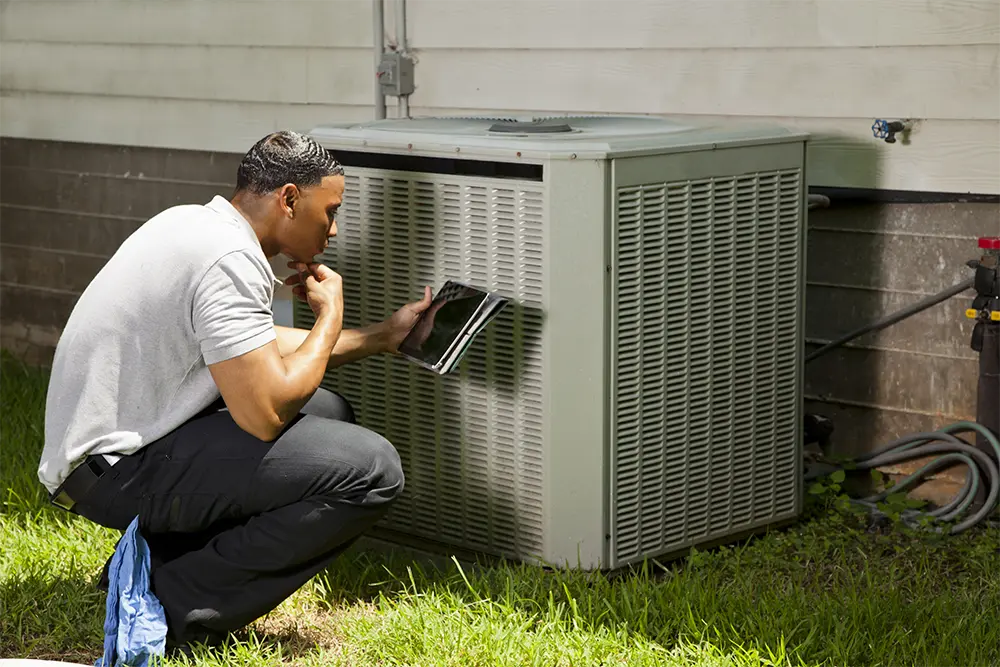
One landing page for every HVAC ad is usually less effective than separate pages you’re your main services. Someone searching for emergency AC repair has different needs and concerns than someone looking for a furnace replacement or routine maintenance.
AC Repair
Intent: immediate comfort. Emotion: urgency. CTA: call now or schedule a same-day repair.
For example: No Cold Air? Get AC Repair Today. Our local technicians diagnose the problem and clearly explain your options. We work to restore comfort quickly. Same-day appointments are available. Call Now for AC Repair.
Open with the symptoms homeowners notice, like warm air or weak airflow. Show same-day availability and clear pricing, plus a short form for anyone who can’t call. Skip brand names and refrigerant terms. A homeowner without cooling needs confidence and a way to act fast, rather than a technical rundown.
Furnace Replacement
Intent: evaluate a major investment. Emotion: anxiety about cost and disruption CTA: request an estimate or explore financing.
For example: Replace Your Old Furnace With a Reliable, Efficient System. Get a clear recommendation, professional installation, and financing options that help you make a confident decision. Request Your Furnace Replacement Estimate.
Explain why replacement may make sense, and walk through the estimate process in plain terms. Mention financing and warranty details along the way. These homeowners need more reassurance than someone calling about an emergency repair, since replacing a furnace is a bigger decision. The goal is to book a qualified estimate appointment, not to make an instant decision.
HVAC Maintenance
Intent: prevent breakdowns or redeem a seasonal offer. Emotion: practicality. CTA: book a tune-up
For example: Protect Your Comfort Before the Next Heat Wave or Cold Snap. Schedule a professional HVAC tune-up to help catch small issues early and keep your system running reliably. Book Your Tune-Up.
Cover what’s included, seasonal timing, membership benefits, and simple pricing. Make the value tangible, for example, by phrasing it as “a seasonal checkup designed to help prevent inconvenient breakdowns,” which is clearer to the homeowner reading it.
Conversion Benchmarks: Use Them as a Starting Point
Published benchmarks can help you identify possible issues, but your own data matters more. Industry-wide averages are only a rough guide because a good conversion rate varies by service, traffic source, device, geography, season, offer, and what you count as a conversion. For example, a 90-second call is not the same as a quick form submission.
What A/B Testing Can Reveal
A/B testing means showing two versions of the same page, differing by one change, to see which version gets more calls or bookings. Test, measure, improve, and retest your best HVAC landing page on a regular cadence.
Before running a test, decide what you’re really measuring: tap-to-call clicks, completed calls, booked appointments, and qualified estimate requests are meaningful gauges of lead quality.
What Real Testing Examples Show
Results from other industries aren’t guarantees for HVAC pages, but they show why testing pays off.
A recent case study by a marketing agency found that dedicated landing pages improved client results without increasing ad spend. One client saw new customers increase by 300%, and another saw monthly bookings increase by 750%.
The lesson for HVAC contractors is simple: when someone clicks a paid ad for AC repair, send them to an AC repair page with one clear next step, such as Call Now or Book a Repair. A homepage full of menus and competing offers gives visitors more ways to leave before they take action.
A recent HubSpot example found that a small change to the homepage design increased conversions by 6%. The takeaway: trust-building elements and clearer design can make a measurable difference, but test changes based on your own audience and goals rather than copying another company’s results.
Start with a hypothesis tied to a real behavior you want to improve.
Example: Adding same-day AC repair availability and a tap-to-call button above the fold will increase qualified calls from mobile paid-search traffic.
Give the test enough time to gather real results, and change one thing at a time so you know what truly causes the difference. Before you declare a winner, check whether the new leads are turning into real jobs, since more form fills don’t always mean a better page.
Common HVAC Landing Page Mistakes
Sending all paid traffic to the homepage instead of a campaign-specific destination.
Leading with equipment instead of outcomes homeowners can act on right away.
Burying the CTA below a large image or equipment tiles.
Making mobile visitors fill out too much when a few fields would do.
Using vague trust claims like quality service instead of review counts and certifications.
Treating lead response as someone else’s problem after the click converts.
Make Every HVAC Ad Click Earn Its Keep
You don’t need to rebuild your entire website to get better results from paid ads. Start with one high-volume service, like AC repair or maintenance, and create a landing page that matches what homeowners are searching for. Improve one step at a time so you can see what turns more ad clicks into leads.
Ready to Turn More HVAC Ad Clicks Into Booked Jobs?
Service Nation members can connect with vetted Preferred Partners who understand contractor websites and landing page design. Explore the marketing resources available through Service Nation to build a stronger path from search to scheduled service.
Common Questions About HVAC Landing Pages
What is an HVAC landing page?
A focused page centered on a single service or offer, designed to convert visitors into bookings or quote requests.
Why should HVAC contractors use landing pages for paid ads?
Dedicated pages match the ad to what the visitor needs next. A click for emergency AC repair should land on an AC repair page, not a generic homepage.
What should an HVAC landing page include?
A service-specific headline, a compelling CTA, phone and form options, visible trust signals, mobile-friendly design, and a clear explanation of what happens next.
What’s the best CTA for an HVAC landing page?
It depends on urgency. “Call Now for Same-Day AC Repair” fits repair searches, while “Request Your Furnace Replacement Estimate” fits replacement decisions.
How can I improve HVAC landing-page conversion rates?
Match the page to the ad, simplify the action path, make mobile contact easy, place your credible proof near the CTA, and test one element at a time.