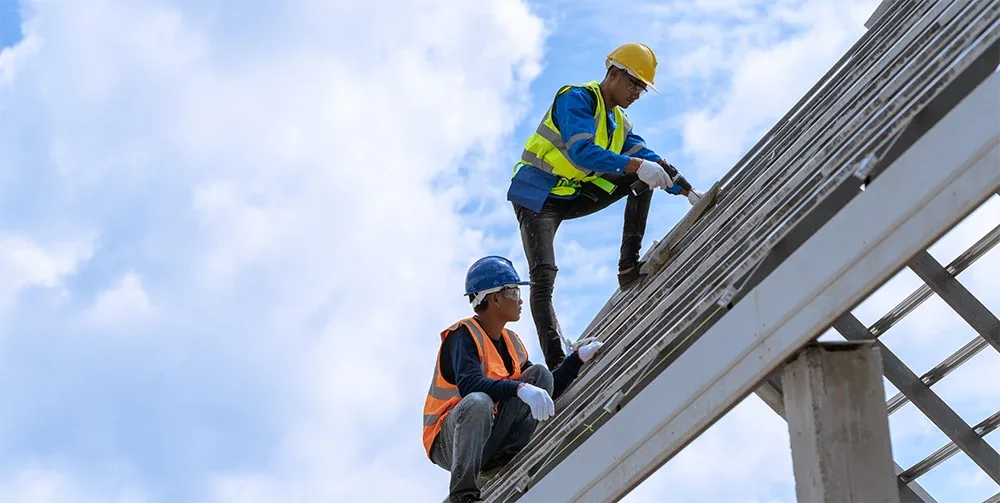
Storm season is when roofing contractors either pull ahead of the pack or watch jobs walk out the door to whoever got there first. The difference usually isn’t marketing or luck. It’s preparation. Contractors who emerge from a major weather event with a full backlog and strong margins have built the right systems before the first hail report hits.
What you do before the season determines how much you walk away with when it ends.
Get Your Crew and Subs Ready for Storm Season Roofing Jobs Before the Calls Start Coming
When a storm rolls through your market, the phone rings for every roofing contractor in the area at the same time. Whether you get those jobs or lose them to a competitor often comes down to one thing: whether you can really do the work.
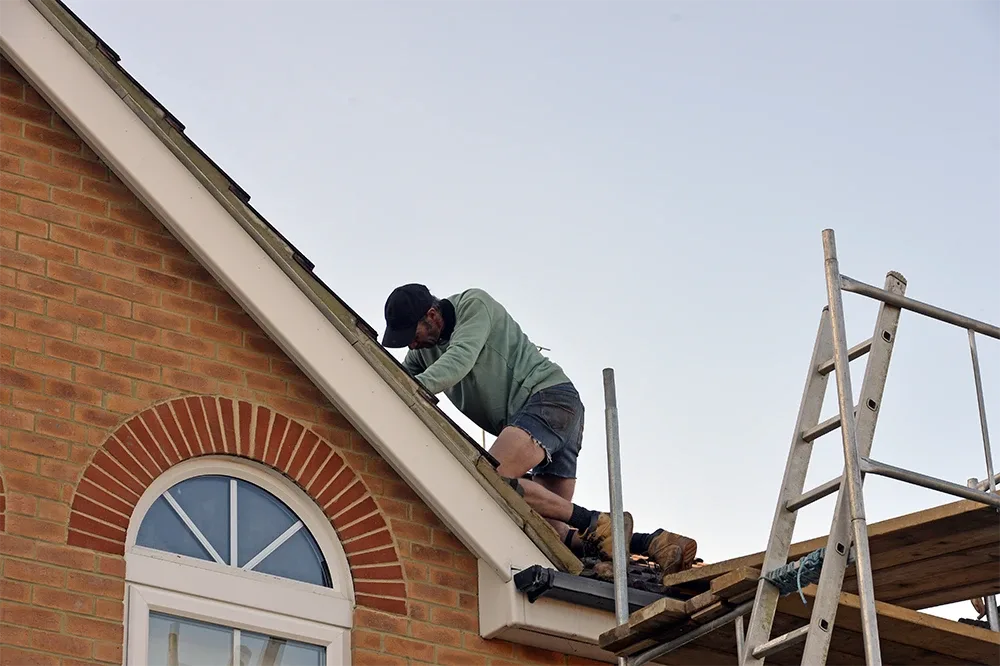
Your crew capacity is the first to break during a surge. If you use subcontractors for overflow, lock those relationships in before the phones start ringing, not after. A subcontractor who already knows how you document jobs and what you expect on-site closes out faster and with fewer problems. Get the agreements signed in the off-season.
Access to materials matters just as much. Talk to your supplier before the season about priority fulfillment or reserve stock. Waiting a week for materials during a surge is how you lose a customer to the contractor who can start sooner. A materials conversation in the off-season costs you nothing. A shortage in the middle of a rush costs you jobs.
Build Your Pricing Structure Before the Rush
Flat-rate pricing keeps you profitable when calls come fast. When you’re running estimates back-to-back, pricing on the fly leads to inconsistency, which hurts your margin and reputation.
Know your true overhead costs before setting your storm-season pricing, including labor, materials, insurance, and the time you spend managing jobs rather than just running them. Demand-based pricing is reasonable and common during high-volume periods. The key is having a system that keeps your prices consistent and defensible, not reactive.
How to Price for Profit: A Contractor's Guide to Calculating True Overhead
Speed-to-Contact Is Your First Close
Every minute between a storm event and your first outreach to a homeowner is a window a competitor is using. Roofing leads during a weather event are time-sensitive in a way routine service calls aren’t.
Set up your inbound systems before the season: a live-answered phone line or answering service, a web form with same-day response, and a text-based contact option if you can manage it. When a homeowner waits hours to hear back from you, they’ve already moved on.
Train your office staff or answering service on exactly what information to capture during the first call, including the scope of damage, the address, the homeowner's availability, and the insurance carrier. By the time you return the call, you should be ready to provide an estimate rather than gather basic facts.
Hold yourself to a clear response-time target. During an active weather event, that window should be measured in minutes. Before the season, run the numbers to see how slow response times are costing your business. The dollar figure makes the investment in better inbound systems obvious.
Working the Insurance Process the Right Way
Most storm-related roofing claims are covered by homeowners’ insurance. How you handle the claims process and help the homeowner navigate it directly affects your close rate and margin.
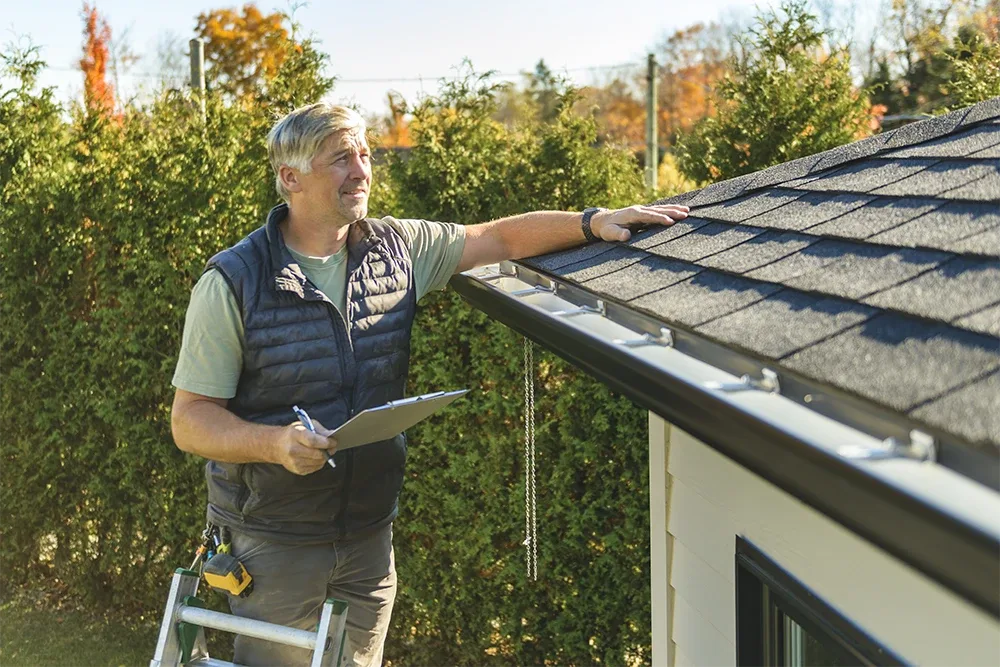
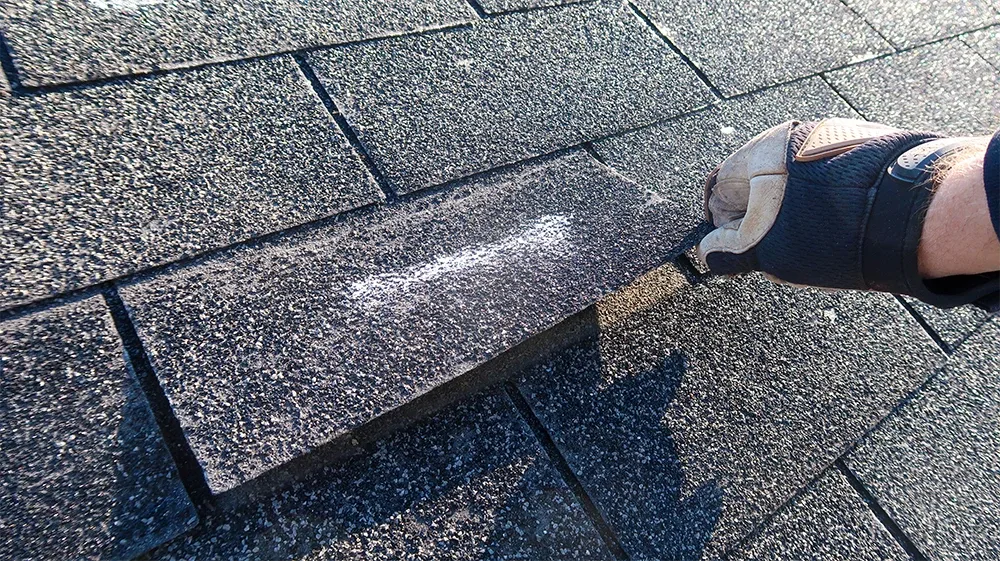
Document everything before the homeowner files anything. Detailed photos, measurements, and notes on all damage, including areas that aren’t obviously compromised, give you a defensible estimate and protect you if an adjuster comes in low. A supplemental claim backed by thorough documentation is one that gets paid.
Build relationships with local adjusters over time. Maintain a running list of adjusters you’ve worked with and their contact information. Contractors they recognize and trust move through approvals faster and with fewer disputes. Be professional and available when they need to walk the property.
Take time to explain the process to the homeowner. Many have never filed a roof claim and feel genuinely uncertain about what happens next. A contractor who walks them through the timeline and what to expect builds trust faster than one who hands them a bid and then disappears.
Standing Out from Storm Chasers
Every major weather event brings out-of-town contractors with big promises and no local track record. Homeowners know this, and many are unsure whom to trust. That’s your advantage, but only if you act on it.
Lead with your local credibility every time. You’re licensed in this state. You pull permits correctly. You have references from neighbors, and you’ll be around for any warranty work the job may need. Don’t assume the homeowner will connect those dots automatically. Say it directly.
Your online reputation matters more than ever. Make sure your Google Business Profile and review pages are up to date and accurately reflect your work. When a homeowner searches for a roofing contractor the day after a storm, that profile is often the first thing they see. If you’ve had a negative review go unaddressed, now is the time to respond.
Your process is a differentiator, too. Storm chasers often fall short in documentation, permits, and follow-through. A clear, professional workflow from estimate through final inspection, with regular updates, is exactly what a nervous homeowner is looking for.
How to Handle a Negative Online Review Without Losing More Customers
Closing the Job
Roofing is one of the few service categories in which the homeowner is already sold on the need before you arrive. The job in the sales conversation is to give them confidence in you specifically.
Provide an estimate that includes your credentials, timeline, and payment and financing options. Be straightforward about what insurance will likely cover and what the gap might be. Homeowners who feel surprised at closing don’t leave good reviews.
Train your estimators to present options clearly and without pressure. When a homeowner understands what they’re choosing between, they’re more likely to close. Follow up on any estimate that hasn’t responded within 48 hours with a short, direct message. Noting that you have openings in the coming week is enough to restart the conversation without feeling pushy.
Track your close rate and average job value during storm season. If you’re generating many estimates but converting fewer than you’d like, the issue is usually in the follow-up process, not the estimate.
How to Build a Sales Process Your Team Will Follow
How to Sell Upgrades with Confidence, Not Pressure
From Busy to Profitable: The KPIs That Matter in Your Home Service Business
Make Storm Season Work for You Every Year
The contractors who get the most out of storm season aren’t the ones who react fastest in the moment. They’re the ones who built the right systems before the weather hit. Get your crew and subs in place, set your pricing, have your inbound process ready, and dial in your sales approach. The prep work you do before the season determines how much you walk away with. Then it’s over.
Are You Ready to Get Started?
Storm season creates real revenue opportunities for contractors who know how to work the full cycle. Service Nation members get access to pricing tools, business resources, peer networks, and support built specifically for home service contractors who want to run a tighter, more profitable operation.
See what Service Nation membership includes and choose the right plan for your business.