
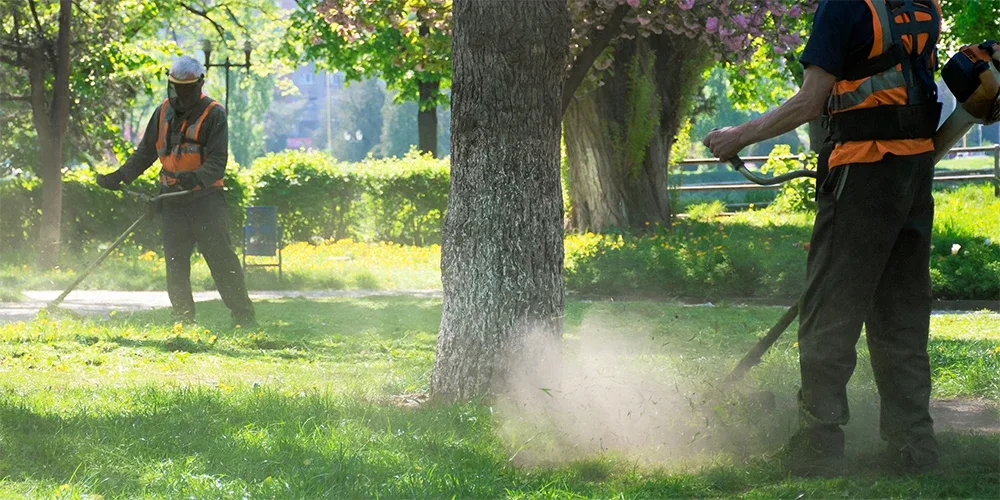
Seasonal Landscaping: Turn One-Time Cleanups Into Full-Season Contracts
The best maintenance leads you’ll get all year come from yards your crews just cleaned. Those homeowners have seen your work up close, and you’ve walked every foot of their property, which is a head start no competitor can match.
Ask the homeowner one question before the trailer pulls away: How are you planning to keep the place looking like this for the rest of the season? The answer tells you if there’s a contract in that yard. Maybe they want their weekends back, or the beds got away from them last summer.
Getting from cleanup to contract comes down to four things you control: how you finish the first job, what you ask on the walkthrough, how you build and price the plan, and how fast you follow up. It all works without a hard sell, because homeowners sign when the plan fits how they use their yard, and the price reflects real work.
The Cleanup is Your Audition
Every homeowner who books a one-time cleanup is sizing you up for the long haul, whether they realize it or not. That first visit is their preview of season-long service with your company.
Start with a written scope covering which areas the crew will tackle and how you’ll handle debris. Confirm access details like gate codes and trailer parking before anyone rolls up. When the crew uncovers something extra, like a buried irrigation head or a dead shrub, get approval before anyone touches it. Surprises on the invoice kill the second conversation fast.
When the job wraps, walk the property with the homeowner if they’re home. Check the work against the scope as you go and answer whatever they ask.
Use that time to learn why they called. Someone prepping for a graduation party in two weeks needs something different from someone who loses their battle with their yard every July, so recommend accordingly.

Find Out What They’d Hand Off
Keep the conversation on how the homeowner uses the property. Questions that open it up:
Which part of the yard eats up most of your time?
What yard work do you enjoy?
How do you want the place to look between cleanups?
Is anyone handling regular maintenance now?
Spell Out What Full-Season Means for This Yard
Full-season care varies by property, so define it for this customer: the service window in writing, plus how the work shifts from spring into fall.
Set the schedule based on local growing conditions, using your state’s cooperative extension service for timing. Most local universities publish a lawn care calendar built around their state’s growing season; find the equivalent from your region’s extension office.
Swap broad promises like complete yard care with specific tasks and visit frequencies. Your proposal should answer homeowners’ questions, asked or not:
How often will the crew show up?
Which areas and tasks are included?
What happens to the schedule when it rains for a week?
Which services cost extra and need separate approval?
Your service calendar holds this together. Service Nations’ guide to building a landscaping calendar your crews and customers can trust explains how to set one up.
Price It Like You’ll Be Living With It
The cleanup gave you real production data on this exact property. Record crew hours and anything that slowed the team down, like a tight backyard that only fits a push mower or a slope that needs hand trimming, because those details repeat on every visit.
Price the season from the work you’re promising. Start with labor, including drive and load time, which is easy to overlook and expensive to absorb for six months. Add equipment costs and disposal fees where they apply, then recover overhead and build in your profit. To pressure-test your numbers, Service Nation’s labor rate calculator shows what an hour of crew time costs you, and the flat-rate pricing builder turns those costs into consistent prices.
A cheap seasonal bid feels like a win on signing day and a headache by August. Service Nation’s look at the real cost of a cheap landscaping bid makes the case for pricing based on true costs, and that discipline applies to recurring maintenance.
Check where the property falls on your routes before committing to a service day. A yard outside your nearest cluster costs more to serve than one on a street already on your route, so price it accordingly or slot it where it fits.
Present the total contract price alongside the payment schedule. If the homeowner pays monthly, specify whether each payment is an installment toward the seasonal total or a charge for that month’s work, and include the same language in the agreement. That sentence heads off the September cancellation argument.

Send It While the Beds Still Look Sharp
Open with the homeowner’s goal in plain language, like keeping the front beds clean through the summer, so the proposal reads as their plan from the first line. Then lay out the recommended service and price with one simple way to approve or ask a question, like an e-signature link or a reply to your text.
Follow up on the date you agreed on. Check whether they’ve had a chance to review the proposal, and offer to walk through it with them at their convenience. Be honest about your availability and open slots. Manufacturing urgency might close one contract, but it costs you the trust of a homeowner you’ll serve all season.
Earn the Renewal All Season Long
Once the homeowner signs, move every detail of the agreement into the crew’s work instructions. Property-specific requests, such as items to skip or directions about the family dog, belong where the team sees them on every visit.
Tell homeowners about schedule changes before they notice, and keep a log of completed visits to settle calls about when you came that week in seconds.
Compare estimated hours with what the crew logs on site. A property that runs over on every visit is telling you something, whether that’s scope creep or a price that was light from the start. Fix the cause now, and you’ll head into renewal with real numbers. For tracking figures like these across the business, Service Nation’s rundown of home service KPIs that drive profitability is a good next read.
Before the agreement ends, ask how the season went and discuss adjustments while there’s still time to plan for next year. That’s how one season becomes a multi-year customer. Service Nation’s piece on customer lifetime value shows why the long view pays off.

Your Next Cleanup Is Already a Sales Call
Recurring maintenance brings steadier revenue and denser routes, and your cleanup customers are the easiest place to find it. A maintenance recommendation tied to the homeowner’s goals is about as natural a sale as you’ll make all year.
Start with the next cleanup on your board. Add a completion walkthrough to the job ticket, and designate one person to send and follow up on maintenance proposals. Once those steps are documented in your process, your team can repeat them for every cleanup.
Build a Landscaping Business That Books Itself Through the Season
Service Nation puts you in a room with contractors who run service businesses like yours, along with business resources and pricing tools built for the trades. Bring your next maintenance proposal to a community that knows how to price and deliver recurring work, and find the membership that fits your business's growth strategy.
Frequently Asked Questions About Seasonal Landscaping Contracts
What is seasonal landscaping?
Seasonal landscaping involves recurring property maintenance throughout the growing season. Services and visit schedules are tailored to the property, local growing conditions, and the homeowner's needs.
How can landscaping companies turn cleanup jobs into seasonal contracts?
Use the final walkthrough to discuss ongoing maintenance. Ask homeowners which tasks take the most time, what work they enjoy, and how they want their property to look between cleanups.
When is the best time to sell seasonal landscaping services?
The final walkthrough after a cleanup is an ideal opportunity. The homeowner can see your crew's work, and you have already evaluated the property.
What should a seasonal landscaping contract include?
Define the service window, visit frequency, included tasks, and areas covered. Explain how weather affects scheduling and identify services that require additional approval and payment.
How should landscaping contractors price seasonal maintenance contracts?
Calculate labor, drive time, equipment costs, disposal fees, overhead, and profit. Use production data from the initial cleanup to estimate the time required for future visits.
Should seasonal landscaping contracts be billed monthly?
Monthly payments can work, but the agreement must explain how billing is structured. Specify whether payments are installments toward the full seasonal contract or charges for that month's services.
How can landscaping companies improve seasonal maintenance routes?
Review each property's location before committing to a service day. Group nearby customers together to reduce drive time and keep routes efficient.
How can landscaping contractors retain seasonal customers?
Communicate schedule changes before customers have to ask. Keep records of completed visits, follow property-specific instructions, and address service issues throughout the season.
When should landscaping companies discuss contract renewals?
Start the renewal conversation before the current agreement ends. Ask how the season went and discuss any adjustments while there's still time to plan for the following year.
How does seasonal landscaping improve business profitability?
Recurring maintenance creates steadier revenue and denser service routes. It also gives contractors opportunities to build long-term customer relationships instead of relying entirely on one-time cleanup jobs.