
You can spot the solo operator from a mile away. The truck is packed, the phone is buzzing on the dashboard between jobs, and the office is a laptop on the kitchen table at midnight. It’s controlled chaos, but it still feels like yours.
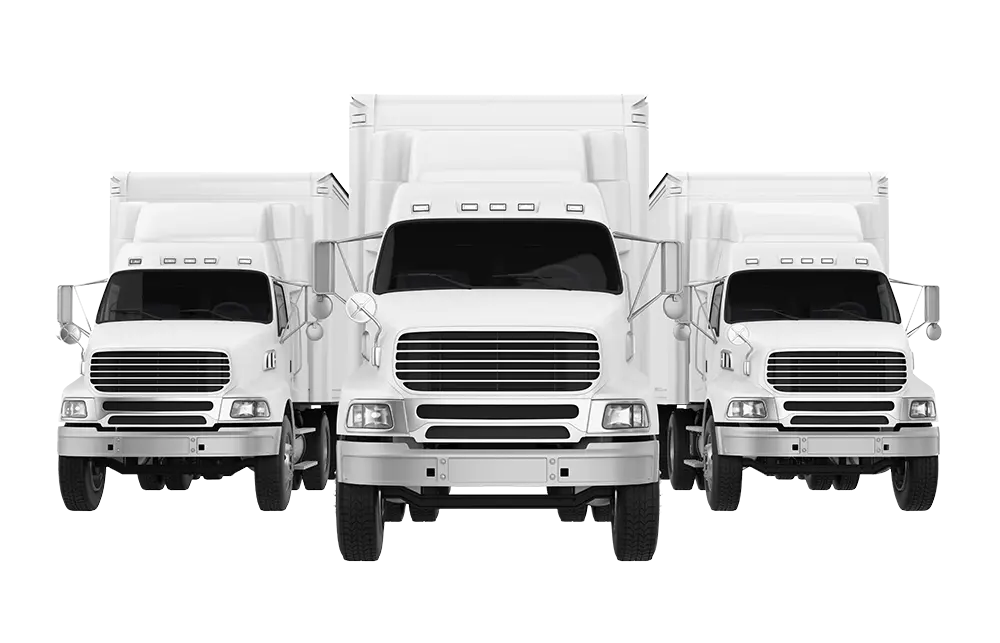
Fast-forward a few years and a few trucks. Now there are three, five, maybe more vans with your logo on the doors. Revenue is up, and so are the headaches. Techs need answers, suppliers want callbacks, and customers are asking for you by name. You’ve traded one kind of stress for another, and some days the business is clearly running you.
That’s the part most growth stories overlook. Moving from one truck to many isn’t simply more of the same but a different business altogether. The demands change, the skills needed are different, your daily routine must adapt, yet customer expectations remain the same. Whether you’re expanding an HVAC company or a plumbing or roofing business, here’s what shifts at each milestone and what you need in place before reaching it.
The Mindset Shift Nobody Warns You About
Most contractors begin with a technician’s instincts. You excel at the work, customers trust you, and the logic seems straightforward: work harder and the business will grow. With one truck, that mostly works. Add trucks, and it starts working against you because there’s only one of you.
At some point, what matters isn’t how much you can personally do. It’s how well your people and systems perform when you’re not standing over them.
That’s your owner mindset. Your value no longer lies in being a tool but in the structure you create around yourself. Instead of asking how many calls you can make this week, you start asking how to help each truck reach its targets without your constant involvement. It involves letting go of control and trusting others with your customers and your reputation. Without this shift, more trucks would only bring more chaos.
One Truck: Hitting the Ceiling
At a one-truck shop, the days are full and relatively simple. You can run most calls yourself, and you price based on experience. Overhead is low, and decisions are fast.
But the warning signs appear before most owners notice them. Calls come in while you’re on a job, and you realize you’re missing work, invoices go out late, and money comes in sporadically. Paperwork piles up because there’s no time during the week, and you’re exhausted in a way that rest doesn’t fix.
Before you add another truck, this is the time to build a foundation.

The First Hire That Changes Your Operation
One of the most important moves in growing a contractor business is bringing on an office or admin person before it feels completely necessary. Most owners wait too long. By the time the urgency is obvious, they’ve already been losing money on missed calls, customers experience slow follow-up, everything is disorganized, and your billing has been inconsistent for months.
The signals are there. You’re getting interrupted on every job by calls and texts, voicemail stacks up and stays there for days. And somewhere in the middle of all that, your techs need to know where to go next.
This person’s job isn’t complicated at first. They answer and book calls using a script that reflects how you want customers treated. They manage the schedule and handle basic invoicing, they pull a few weekly numbers so you’re going off data instead of gut feel.
That one hire gives you back blocks of time: time to run profitable calls and nurture customer relationships. You can think about what’s next instead of simply surviving the current week.
Three Trucks: The Stage Where Winging It Stops Working
At around three trucks, the business starts to feel real. It can also feel completely out of control. You’ve got techs in the field, and your office is busy. On paper, things look good. Day to day, you feel like the bottleneck for everything.
Your role is shifting whether you’re ready for it or not. You’re running fewer calls personally and doing more ride-alongs and bigger-ticket work. You’re the one everyone calls when something goes wrong.
Three systems need to be solid before this stage gets harder:
Scheduling has to stop being improvised. Which calls get priority, how far you’ll travel for a job, how you balance maintenance against demand calls, and how to support your team’s needs. Without clear rules, techs and office staff figure out how to do things differently every day.
Pricing can’t be left to each tech’s judgment. You need to standardize profitable pricing for your most common services and provide a clear way for techs to present options. Without guardrails, discounts and freebies erode your margin one job at a time.
Callbacks need a process. Log issues and track patterns by tech and job type. The data tells you where the training gaps are, and without it, you’re always reacting.
The classic mistake at three trucks is staying in hero mode. You keep jumping in to handle every situation instead of building your team’s ability to handle it. Owners who do this don’t grow past three trucks. They burn out and start thinking about going back to one.

Five to Ten Trucks: Running a Company
Once you have five or more trucks, the shift ends. You’re no longer simply a busy shop; you’re running a small business, and it must operate like one.
You have multiple technicians on the road and a well-known brand in your market. Your time is most valuable now when it is spent on strategy, growth, hiring decisions, and supporting your team, even when you’re not physically present.
The systems that helped you reach three trucks aren’t enough here. You need 1) capacity planning to understand what each tech can realistically handle daily, 2) job costing to identify which work is profitable, 3) performance targets for average ticket and market by tech, and 4) regular reviews so you’re coaching based on data instead of reacting to problems after they occur.
Contractors often make the mistake of focusing on truck count and top-line revenue without considering profit and cash flow. More trucks don’t automatically mean more money. Hiring too quickly without a proper training process can put unprepared people in front of your customers, and expanding into new territory before your core operations are stable can stretch your resources too thin. Either of these issues can turn growth into a serious risk instead of a real success.
What the Growth Costs You
It’s easy to talk about trucks and systems. What’s harder is determining what scaling a contractor business does to you personally.
More people mean more responsibility. When staffing issues arise, customer experience suffers, equipment fails, or the industry changes, you feel it. You carry payroll, promises, overhead, and the reputation you spent years building.
There’s also an identity adjustment most owners don’t expect. A lot of contractors miss the satisfaction of fixing something with their own hands and seeing the result. Reviewing numbers and coaching techs doesn’t always feel like real work at first. It’s different.This is where the owners who scale well pull ahead. They find contractors who are a step ahead of them and start comparing notes. Service Nation’s Profiles in Prosperity podcast features members who have walked through these same transitions, and the recurring theme isn’t that it gets easy. It gets clearer when you stop trying to figure it out alone.
Common Questions About Finding Great Technicians
Scaling a contractor business means growing beyond a single operator by building systems, hiring staff, and creating processes that allow the company to run without constant owner involvement.
You should add another truck only after your scheduling, pricing, and follow-up systems are consistent. Without these, growth creates more problems than profit.
The biggest mistake is staying in “hero mode.” Owners try to solve every problem themselves instead of building systems and trusting their team.
At three trucks, complexity increases. Without clear systems for pricing, scheduling, and callbacks, the owner becomes the bottleneck and growth stalls.
You scale by building systems, tracking performance, and training your team. Growth should rely on structure, not constant owner involvement.
Where to Start Right Now
Wherever you are, whether you manage one truck or eight, ask yourself some honest questions:
- Can the business operate for a day without you?
- Do you review your numbers regularly or only when something is wrong?
- Are your key processes documented, or do they only exist in your head?
If any of those is a no, that’s your next responsibility. Scaling from solo operator to multi-truck owner isn’t automatic, and it doesn’t happen by accident. The owners who succeed aren’t necessarily the ones who worked the hardest. They’re the ones who built a system that can operate without them in every decision of every day.
Service Nation’s coaching programs and peer groups are available to you to help guide you through this transition. When you’re ready to step it up, we’re here to help. Check out Service Nation now to get started.