
Why Most Contractors Are Flying Blind
Many home service owners manage to run their business off two data points: the bank balance and how full the schedule looks. If there’s money left over at the end of the month and the schedule is full, they assume things are fine. The problem is that busy and profitable are not the same thing, and by the time the gap is obvious, you are already behind.
The fix isn’t a full accounting overhaul. It’s a short list of home service business KPIs you can pull from the systems you already use, review in a brief weekly meeting, and address with your team. Eight or nine numbers, tracked consistently, will reveal more about business health than a P&L reviewed once a quarter.

The KPIs That Predict Business Health
Here is what each one measures and how to calculate it, so you know why it’s important.
- Average Ticket (Revenue per Completed Job)
Total revenue for the period divided by completed jobs
Average ticket is one of the fastest levers in the business. When it drops, it often means techs rush through calls, discounts increase, or the good-better-best presentation starts to break down. On the other hand, when it rises, your pricing and sales process are working effectively. For that reason, track it per technician, not just at the company level, so you can clearly see where performance is improving or slipping. - Close Rate
Jobs sold divided by estimates presented, multiplied by 100
If your close rate is low, increasing leads will not solve the problem. Instead, you are dealing with a sales issue, not a lead issue. In most successful service shops, close rates typically land between 60–70% on in-home estimates. However, if you fall below 40%, you should focus on coaching first. Rather than increasing marketing spend, improve how your team presents options and handles conversations. - Booking Rate (Lead-to-Appointment Conversion)
Booked jobs are divided by qualified inbound leads, multiplied by 100
In-home services and peer groups like Service Nation often focus on CSR training and call scripting to improve booking rates. As a result, many shops push performance well above industry averages while also maintaining fast response times. However, shops operating below 60% often lose profitable leads early. In many cases, those leads drop off before a technician even has the chance to meet the customer. - Revenue per Truck per Day (or per Tech per Day)
Total revenue divided by producing trucks, divided by working days in the period
This is the productivity number your dispatch strategy should be based on. It indicates whether you truly need another truck, if routes are tight, and whether pricing is effective. It’s also simple to share with your team so everyone knows what a successful day looks like. - Technician Utilization
Billable hours divided by paid hours, multiplied by 100
Labor is your highest expense. If utilization drops below 50-60%, you’re paying for hours that don’t generate revenue. Poor routing and callbacks can decrease this percentage. High utilization, along with a strong average ticket, is one of the clearest signs that a shop is operating effectively. - Gross Margin Percentage
Revenue minus direct costs, divided by revenue, multiplied by 100
Direct costs include field labor, parts, and subs, not overhead. Gross margin indicates whether your pricing covers overhead and leaves profit. ACCA benchmarking data show that a healthy gross margin for HVAC and plumbing service work ranges from 50% to 60%. If you are operating at 35-40%, volume alone won’t get you there. - Callback Rate (Workmanship or Diagnostic Return Visits)
Callback jobs divided by total jobs, multiplied by 100
Callbacks are silent profit killers. Each one takes a truck off a paying call and damages a customer relationship. A rate above industry-benchmark ranges of 3-4% usually points to training gaps, rushed work, or a QA process that is not tight enough. The right response is knowing which techs and job types are generating them, then working those specific situations. - Maintenance Agreement/Membership Penetration
Active agreements divided by active customers, multiplied by 100
Agreements transform a reactive business into a predictable one. As a result, they generate recurring revenue, create warmer replacement leads, and smooth out seasonality. In addition, they significantly improve customer retention and lifetime value. More importantly, shops that proactively sell and manage agreements often see 20–40% higher annual revenue per customer. Over time, they also gain more reliable replacement opportunities, because those customers consistently call you first when something breaks. - Customer Review Volume and Rating (Optional but Powerful)
Count of new reviews and average star rating per period
Reviews are not just a reputation score; they also serve as a lead generation tool. As a result, shops with higher ratings and steady review volume often see lower cost per lead and stronger booking rates from cold traffic. Additionally, a drop in review volume or rating can signal trouble early. In many cases, it shows up before a noticeable decline in leads.
KPI Cheat Sheet: At-a-Glance Reference
Here’s a table you can turn into a one-pager for your office or an owner’s dashboard.
| KPI | Simple Definition | Basic Formula | Review How Often? | What It Tells You |
| Average Ticket | Average revenue per completed job | Total revenue / completed jobs | Weekly | Health of pricing, options, and tech sales |
| Close Rate | % of estimates that become sold jobs | Jobs sold / estimates x 100 | Weekly | Sales effectiveness and training needs |
| Booking Rate | % of inbound leads booked into appointments | Booked jobs /qualified leads x 100 | Weekly | CSR performance and script quality |
| Revenue per Truck per Day | Daily revenue per producing truck or tech | Revenue /trucks (or techs) / working days | Weekly | Field productivity and capacity planning |
| Technician Utilization | Share of paid time that is billable | Billable hours / paid hours x 100 | Weekly | How efficiently you use field labor time |
| Gross Margin % | Profit after direct job costs | (Revenue – direct costs) / revenue x 100 | Monthly | Pricing, purchasing, and labor cost control |
| Callback Rate | % of jobs needing return visits | Callback jobs / total jobs x 100 | Weekly | Quality of installs/repairs and training gaps |
| Maintenance Agreement Penetration | % of customers on a maintenance plan | Agreements /active customers x 100 | Monthly | Revenue stability and customer loyalty |
| Customer Reviews (Volume/Rate) | New reviews and average star rating | Count and average rating per period | Monthly | Reputation strength and future lead flow |
If nine feels like too much, start with four: Average Ticket, Booking Rate, Revenue per Truck per Day, and Gross Margin. Once those are stable, add the others one at a time.

Where These Numbers Come From
Keep two rhythms:
- Weekly meeting (owner/manager/lead techs): Average ticket, close rate, booking rate, revenue per truck per day, technician utilization, callback rate, with a short list of who generated them.
- Monthly review (owner and financial support): Gross margin by department if possible, maintenance agreement penetration, review count and average rating, and any rolling 3-month trends.
- Quarterly deep dive: Compare your numbers over the last three months, identify trends in margin, membership base, and productivity, and adjust pricing, staffing, or training plans accordingly.
When a Number Moves the Wrong Way
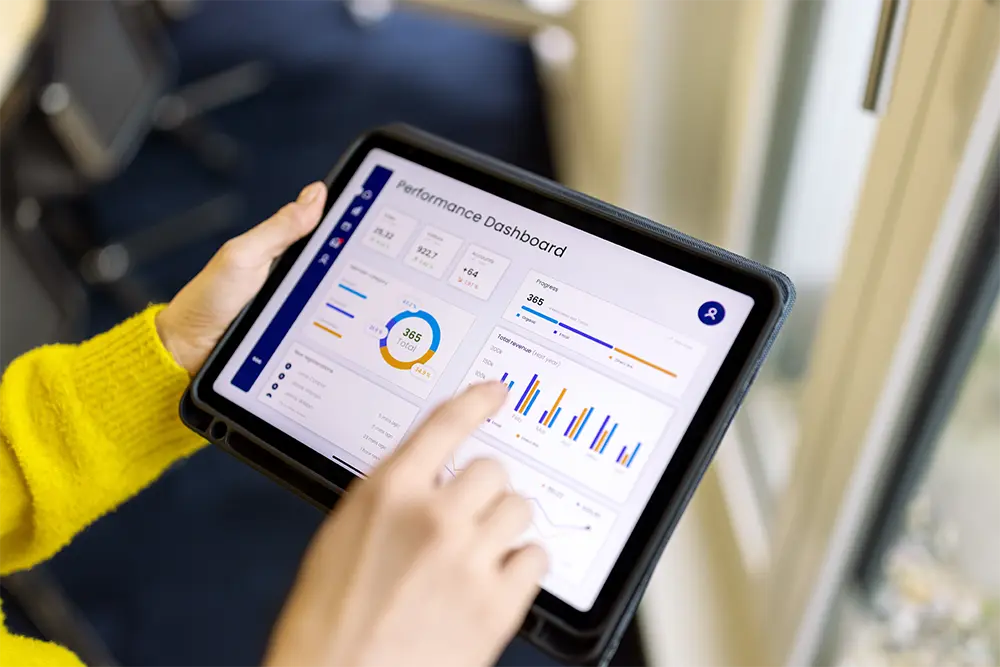
Use your KPIs as early-warning lights, not report cards.
- Gross Margin erodes: Compare estimated vs. actual labor hours on recent jobs. Check whether parts costs have crept up without a corresponding price adjustment.
- Average Ticket drops: Ride along with techs, pull call recordings, check whether discounts, coupons, or friends-and-family deals are out of control.
- Booking Rate falls: Listen to CSR calls for script drift. Also, check whether the schedule is booked so far out that CSRs stop pushing for the appointment.
- Callback Rate spikes: Identify which techs and job types are driving it. Do focused ride-alongs, tighten QA checklists, and add a quick post-job follow-up call to catch issues early.
Next Steps and How Service Nation Can Help
Choose three to five KPIs from the cheat sheet and clearly define how you will measure each one and where the data will come from. Track them consistently for 90 days and share the results with your team every week.
Common Questions About Finding Great Technicians
Home service business KPIs are key performance indicators that track revenue, efficiency, and profitability. They help contractors make better decisions and spot problems early.
Start with average ticket, booking rate, revenue per truck per day, and gross margin. These give a clear view of sales, operations, and profitability.
Most KPIs should be reviewed weekly, while financial metrics like gross margin should be reviewed monthly. Regular reviews help catch issues early.
KPIs show whether your business is actually profitable, not just busy. They reveal issues in pricing, sales, and operations before they become major problems.
Most KPI data comes from field service software, CRM systems, and accounting tools. You likely already have the data, you just need to track it consistently.
You Don’t Have to Figure This Out Alone
If you want help building a simple dashboard or connecting these numbers to your pricing and coaching work, Service Nation members have access to KPI templates, performance tools, and coaches who specialize in this. Log in to your member portal to get started, or schedule a call with our team.