
The best checklists do double duty by showing the homeowner you were thorough before you’ve even left the driveway. Carrier puts filter checks front and center for exactly this reason, because small habits keep systems running and unnecessary service calls off your schedule. Below are a few homeowner checklists:
- HVAC spring/fall
- plumbing winterization
- electrical annual safety.
Each print is as-is, includes your logo, and is sent with every visit.
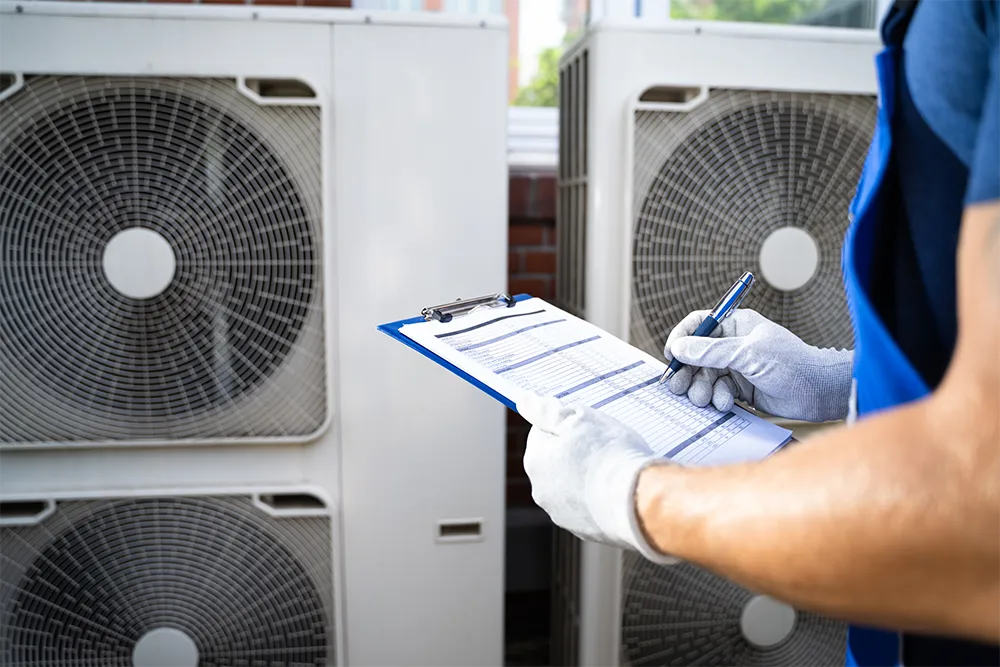
Why Leave-Behinds Work (and Why Your Techs Will Thank You)
When homeowners see the basics in black and white, they’re less likely to feel brushed off. Simple maintenance (such as regularly checking filters) supports system performance and can help prevent unnecessary calls.
Leave-behinds also create a clean handoff: Here’s what we did today, what you can do between visits, and what to call us about. That clarity builds trust without a long speech.
What to Include
Keep it homeowner-friendly: short lines, checkboxes, and plain language. If you include DIY tasks, keep them to the safe, low-skill versions manufacturers already recommend, like checking a filter every 2-3 months and swapping it when it’s dirty.
And if a pro should do a task, say so kindly and clearly. Rheem’s spring maintenance notes do this well. Filter maintenance remains a homeowner’s responsibility. Deeper cleaning and internal checks belong on the pro side. For helpful resources, check out our Marketing Templates as well as our comprehensive Training Events.
Spring + Fall HVAC Seasonal Maintenance Checklist (leave-behind)
Home:________________________ Date:______________________
Technician: ___________________ Company: __________________
Today, we checked and serviced:
What we suggest you do between visits:
Notes from today’s visit:
Recommended next step (choose one)
If you only do three things this winter…
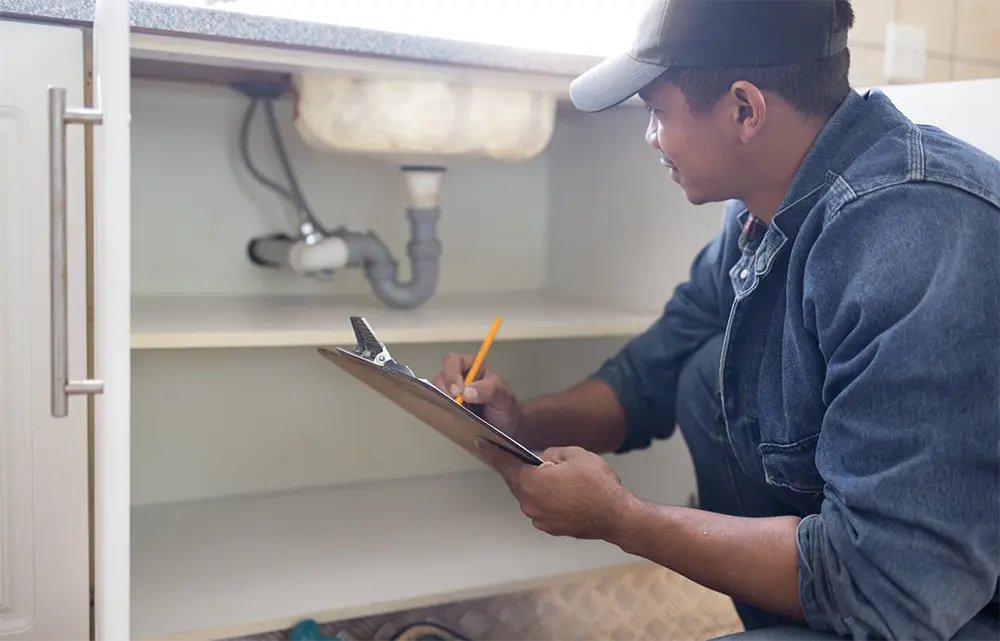
Plumbing Winterization Checklist (leave-behind)
Home:________________________ Date:______________________
Technician: ___________________ Company: __________________
Outside the house (where freeze damage loves to start):
Inside the house (quick wins that prevent big messes)
Water heater (optional, but homeowners appreciate the heads up)
Notes from today’s visit:
If you only do three things this winter…
Electrical Safety Checklist for Annual Visits (leave-behind)
Home:________________________ Date:______________________
Technician: ___________________ Company: __________________
Today, we inspected (and what it means in real life)
Homeowner “between visits” habits (no tools required)
Notes from today’s visit:
If you only do three things this winter…
How to Brand and Format These (so they actually get used )
Keep it to one page per trade, large enough to read at the kitchen counter, and don’t bury the “what you can do next” section. Homeowners respond well to simple, routine language. Use that same tone across all checklists.
Branding Essentials:
- Leave a small blank “Notes from today” box. Homeowners love seeing something specific to their home.
- Put your logo and phone number at the top and bottom (so the page still works if it ends up on the fridge).
- Add one “Next visit due” line: “Next recommended visit: Spring/Fall/Annual” (circle one).
Common Questions About Seasonal Checklists
A seasonal maintenance checklist helps homeowners keep HVAC, plumbing, and electrical systems running safely throughout the year. These simple tasks help prevent unexpected breakdowns and allow contractors to catch small issues before they become expensive repairs.
Contractors often leave maintenance checklists to show homeowners what was inspected during the visit and what small tasks can be done between appointments. This helps build trust and reinforces that the technician performed a thorough service.
An HVAC checklist typically includes thermostat testing, air filter inspection, condensate drain checks, electrical connection checks, and testing the system’s startup and shutdown cycle. Homeowners are usually encouraged to check their air filters and keep the outdoor unit clear between visits.
A plumbing winterization checklist often includes disconnecting outdoor hoses, shutting off exterior faucets, insulating exposed pipes, and identifying the home’s main water shutoff valve. These simple steps help prevent frozen pipes and water damage.
Basic electrical safety checks should happen at least once a year. Homeowners should test GFCI outlets, inspect smoke and carbon monoxide alarms, and watch for warning signs such as flickering lights, warm outlets, or frequently tripping breakers.
Ready to Join Our Service Community?
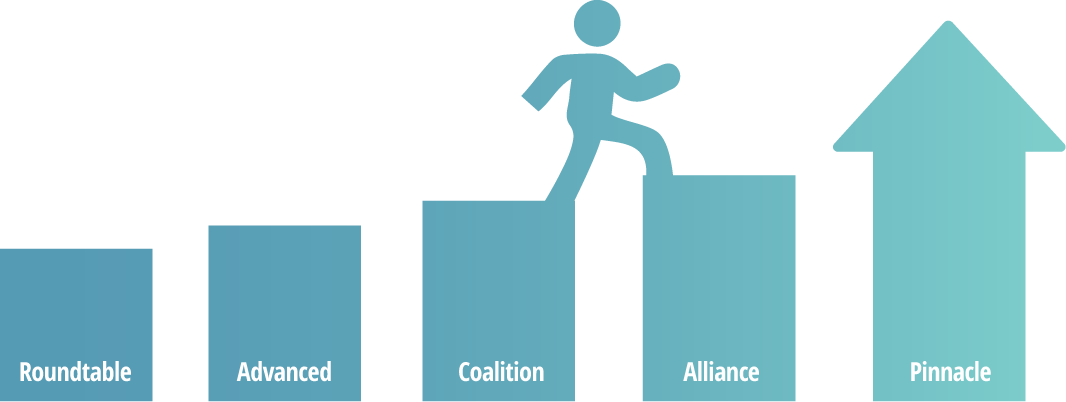
If you want ready-made HVAC bad review response templates, phone scripts, and marketing tools you can plug into your operation, Service Nation members have access to resources that shorten the learning curve. If you are ready to turn reviews into a real asset instead of a constant headache, it might be time to take a closer look at membership.