
Emergency HVAC calls don’t happen on good days.
The house is too hot or too cold, or the system fails at the worst possible moment. The family feels uncomfortable and frustrated. When homeowners call for emergency HVAC service, they are not shopping around—they are stressed and looking for relief from someone they can trust. Too often, HVAC companies rush in, fix the unit, collect payment, and move on. The system works again, the invoice is paid, and the opportunity for emergency HVAC customer retention quietly disappears.
That is a missed opportunity.
An emergency HVAC call is one of the strongest trust-building moments you will ever have with a customer. When you handle it well, that one stressful experience can turn into years of repeat business. With a simple, repeatable plan, emergency calls stop being one-time jobs and start becoming long-term relationships.
Part 1: Build Trust When Comfort Is at Risk
Trust grows fastest when emotions are high. If you calm the situation and restore comfort, customers remember it.
Step 1: Fix the Emergency First – No Exceptions
Always restore comfort before discussing anything else. Once the system is running and the temperature is stable, the homeowner can relax. That calm creates space for conversation. Talking about upgrades or maintenance before comfort is restored breaks trust.
Fix first. Talk second.
Step 2: Offer a No-Pressure System Check
After the emergency is resolved, offer a complimentary system check. Say something like:
“Now that everything is running again, would you like me to do a quick check of the rest of the system (no charge) just to make sure nothing else is being stressed?”
This positions you as careful and professional, not sales-focused. You are protecting their comfort, not chasing revenue.
Step 3: Walk the System Together
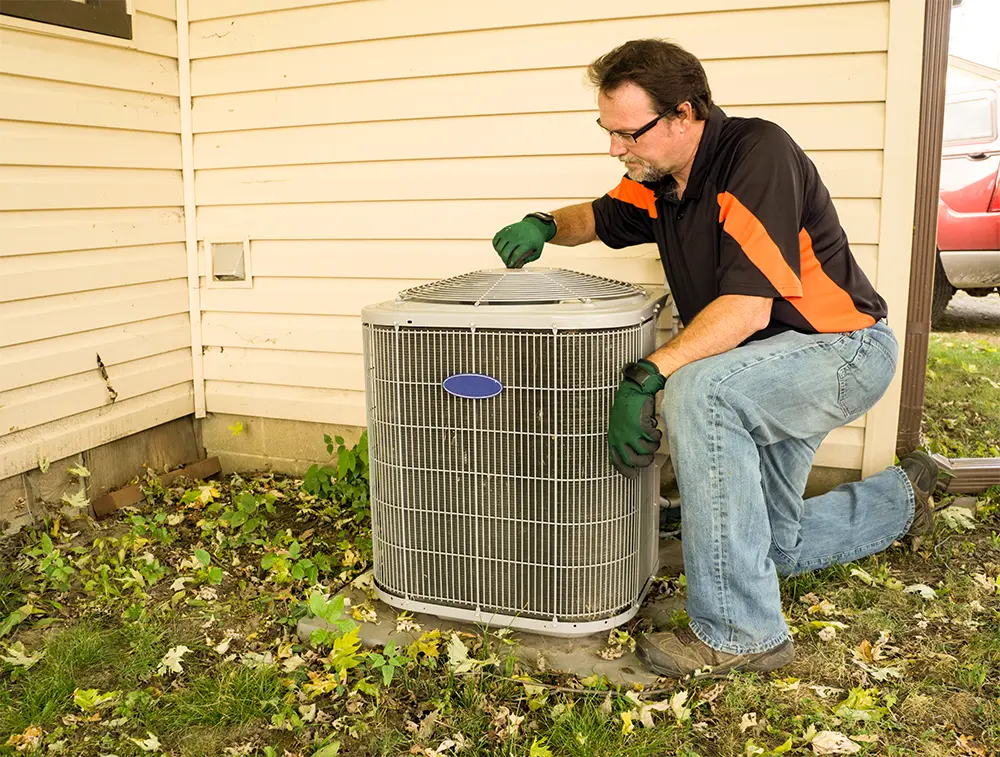
If the homeowner is open to it, take a few minutes to show them key components.
Point out:
- The filter location
- The outdoor unit
- Any visible wear or airflow issues
Explain what you see in simple terms. This shared walk-through builds understanding and trust.
Part 2: Teach One Thing That Builds Confidence
Education changes how customers see you. Instead of being “the repair person,” you become “the expert who explained it clearly.”
Step 4: Teach a Simple Maintenance Habit
Choose one helpful lesson:
- How often to change filters
- How blocked vents affect performance
- Why airflow matters
Keep it short. Teaching just one thing shows that you care about the system working, not just today’s invoice.
Step 5: Leave a Clear Summary
Before you leave, provide a simple written or digital summary:
- What was fixed today
- What looks fine
- What may need attention later
Written notes reduce confusion and prevent future mistrust.
Part 3: Turn Relief into a Relationship
Once comfort is restored and the home feels normal again, customers often feel a sense of relief and gratitude. At that point, stress has dropped and trust has already started to form, which makes it the right moment to introduce long-term care in a calm, helpful way. When handled properly, this transition supports emergency HVAC customer retention by positioning maintenance and follow-up as protection and peace of mind rather than an added sale.
Step 6: Introduce a Maintenance Plan as Prevention
Emergency calls are the best time to explain maintenance after the stress is gone.
Frame it as protection:
- Priority service
- Fewer breakdowns
- Lower long-term repair costs
Position the plan as peace of mind, not a commitment.
Step 7: Follow Up the Next Day
A simple follow-up separates you from most HVAC companies because it shows that you care about more than just completing the repair. When you check in to make sure the system is still running properly, you reinforce trust and professionalism. That extra step strengthens emergency HVAC customer retention by turning a stressful one-time call into the beginning of a long-term relationship.
Send a quick text or call:
“Just checking in to make sure everything is still cooling properly.”
That small step builds loyalty fast.

Part 4: Measure What Builds Loyalty
If you don’t measure relationships, you won’t improve them.
Track:
- Emergency calls that convert to maintenance plans
- Repeat service within 12 months
- Reviews from emergency customers
Reward technicians who create calm, confidence, and long-term value—not just fast fixes
A Strong HVAC Business Is Built on Trust
Emergency HVAC calls are stressful moments. When you handle them with clarity, patience, and care, customers remember you. Fixing the system solves today’s problem. Building trust secures tomorrow’s call. Service Nation helps HVAC contractors create systems that turn emergency calls into long-term customer relationships through proven processes, training, and accountability.
Common Questions About Emergency HVAC Calls
Emergency HVAC calls happen during high-stress moments, which makes trust easier to build. When contractors calm the situation and communicate clearly, customers remember who helped them when it mattered most.
Technicians should always restore comfort first before discussing anything else. Once the system is running and the homeowner feels calm, conversations about maintenance or future needs feel helpful instead of pushy.
Simple steps like a no-pressure system check, clear explanations, and a next-day follow-up help extend the relationship. These actions show care beyond the repair and make customers more likely to call again.
Technicians should explain only one or two simple things, such as filter changes or airflow basics. Teaching one clear takeaway builds confidence and positions the technician as a trusted expert..
Companies should track emergency calls that convert to maintenance plans, repeat service within 12 months, and reviews from emergency customers. These metrics show whether trust is turning into long-term value.
Ready to Turn Emergency Calls into Long-Term Customers?
Service Nation helps HVAC contractors build calm, confident conversations during high-stress service calls through clear processes, practical training, and real-world coaching. When technicians know how to restore comfort first, explain systems clearly, and follow up with care, customers feel supported, and relationships last long after the emergency is over.